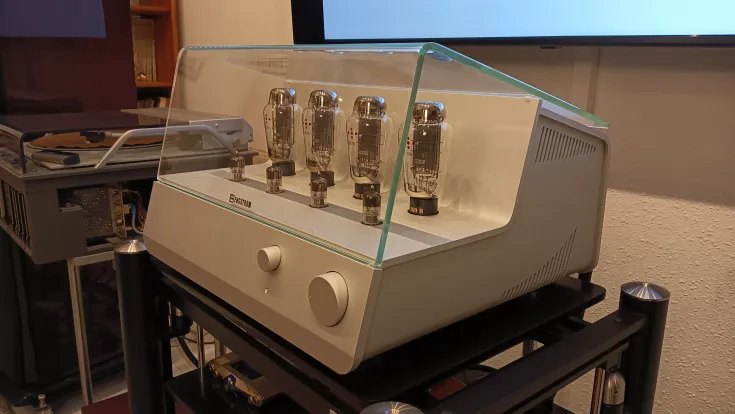
Perfect Stranger

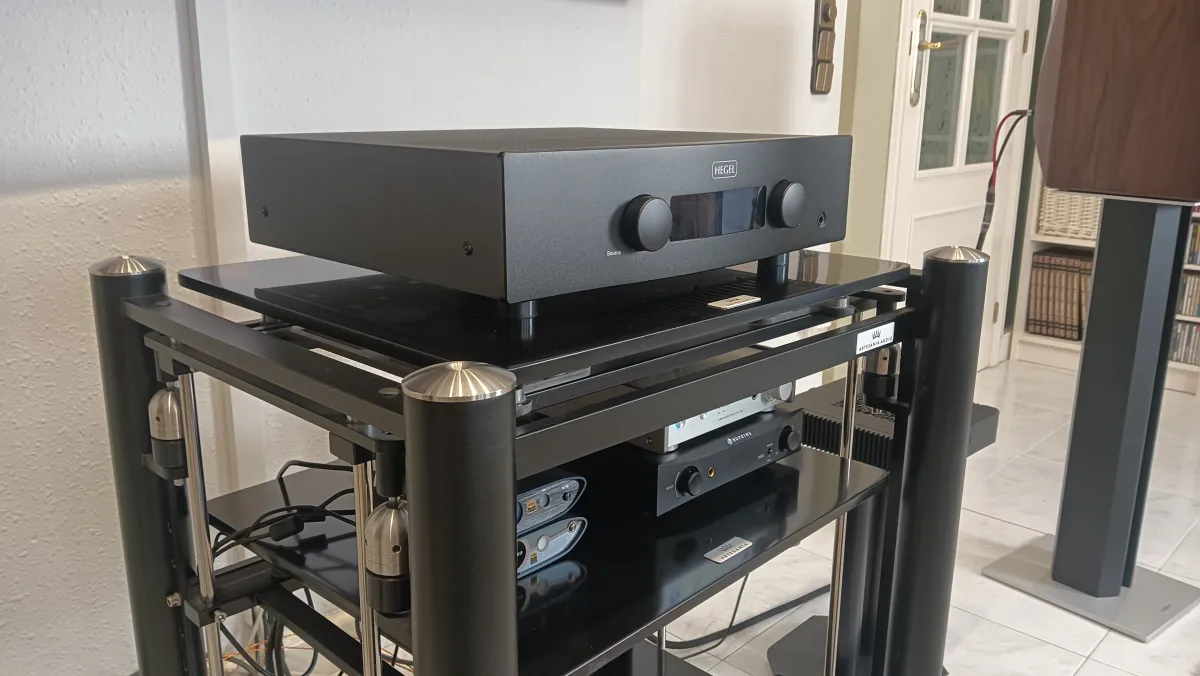
When I was offered the chance to try this integrated amplifier model or its digital counterpart, the H200, I didn’t hesitate to wait for the A200 to arrive in Spain, so I could once again hold a component “like the old-school ones” in my hands. We’re part of a generation that has lived through and enjoyed devices dedicated to a specific function—amplifiers, CD players, cassette players, turntables, and so on—and all-in-one systems just don’t quite satisfy us.
And it’s not nostalgia; it’s a practical approach to life, which tells us that a modular audio system lasts much longer in your listening room than an integrated one. You can replace or upgrade individual components to adapt your system to your changing needs. You’ve probably heard me say or read many times that our perception of sound changes over the years, and that, therefore, to continue enjoying it as much as we did on the first day, we need to readjust or calibrate the music system to our ears.
Although it may seem a bit strange, writing about an integrated amplifier that has the minimal yet necessary connections to run a good audio system is more complex than it might appear. And at the same time, it has been one of the most rewarding experiences imaginable. I’m going to walk you through the entire process so you can understand the reasoning behind my assessments and even evaluate for yourselves whether you would have reached the same conclusion.
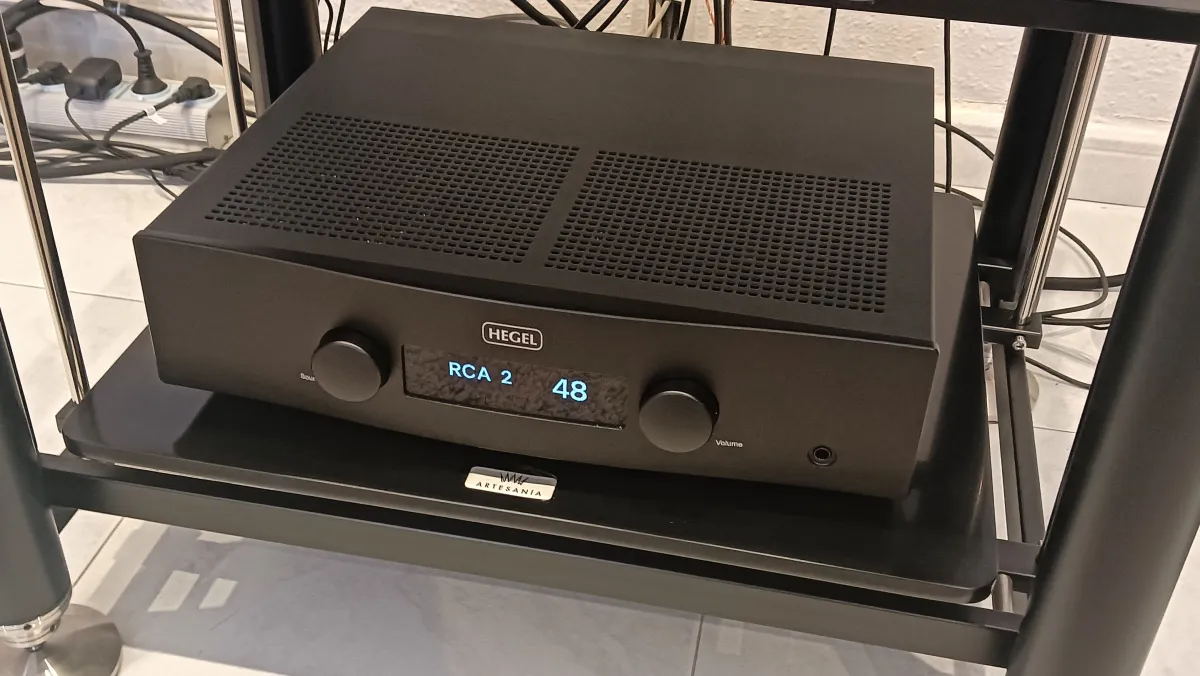
Hegel A200, Step by Step
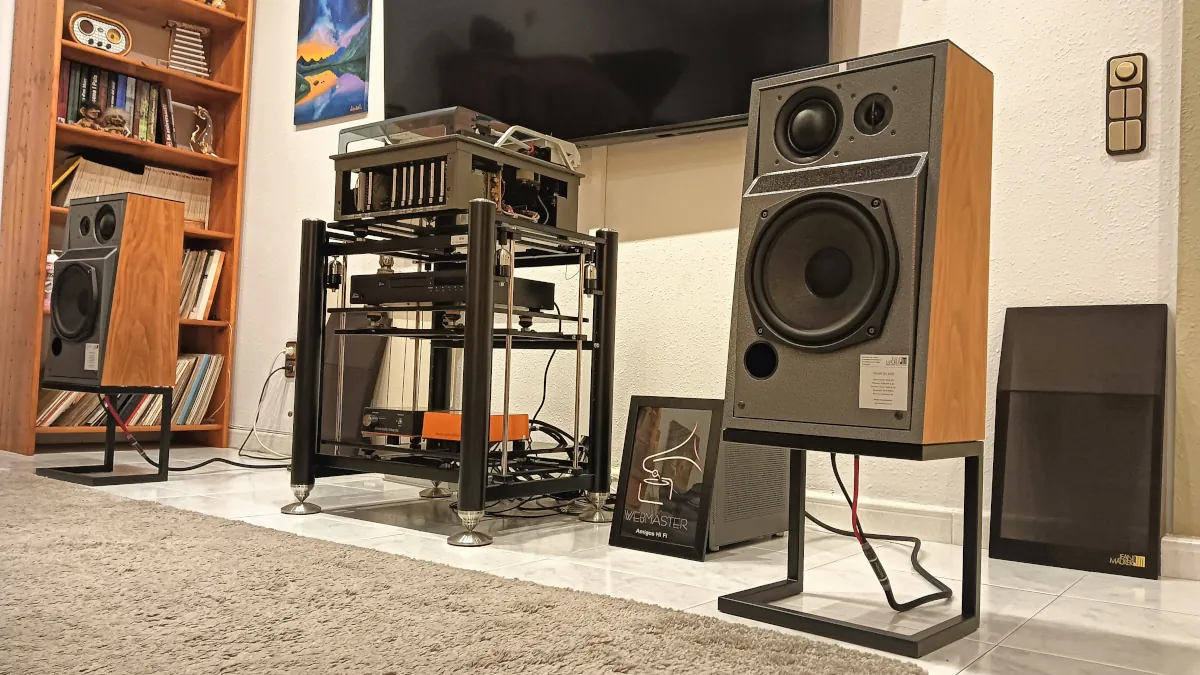
Before connecting anything, you need to make sure everything is compatible with your speakers and identify any limitations you might face in case any of the parameters could compromise the other. I’m referring to both the speakers’ maximum power handling and the amplifier’s minimum operating impedance. The Diapason Adamantes V speakers handle up to 200 W and have an impedance of 6 ohms. The Hegel A200 has a maximum power output of 150 W and supports speakers down to 2 ohms. Everything checks out.
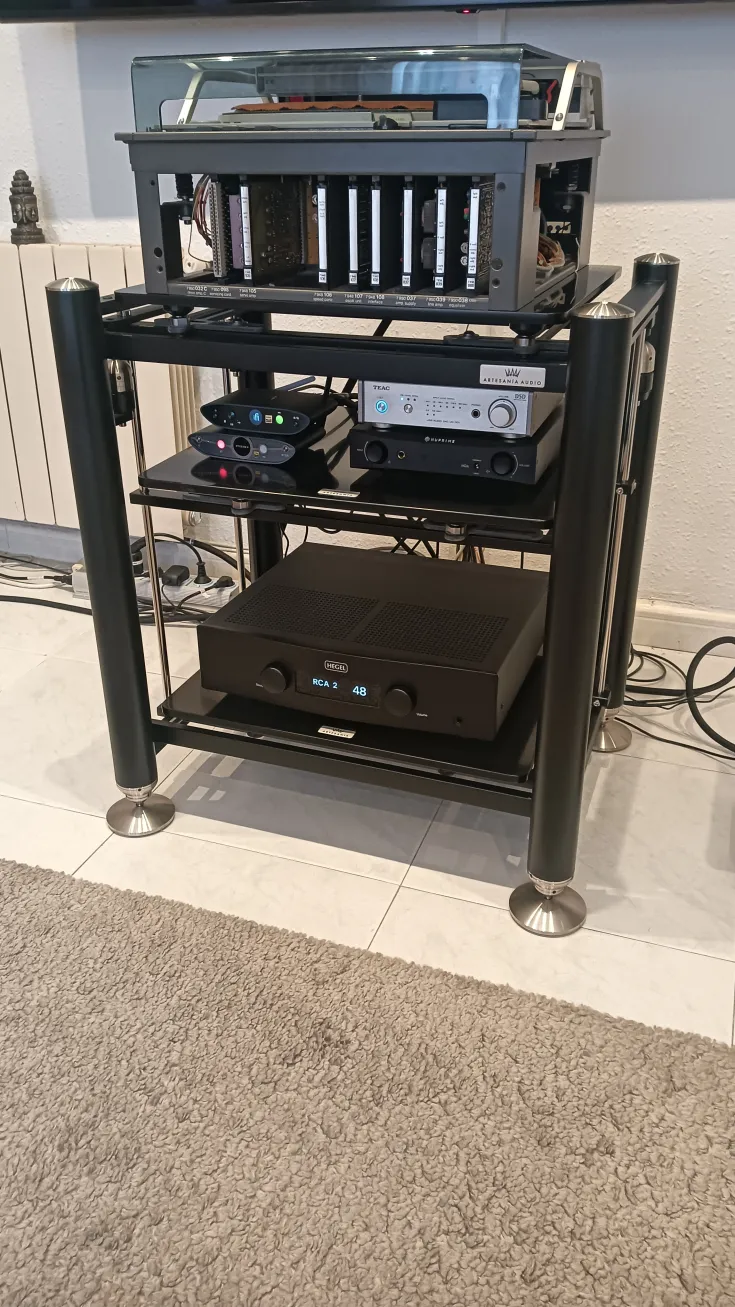
To conduct the tests, I connected four different DACs, and in the end there was a winner—which I’ll tell you about later. I also connected the impressive EMT 948 as an analog source. The only issue in this case is that, since the internal phono preamp—managed by two dedicated cards—provides an audio output, I wasn’t able to test the A200’s built-in MM preamp.
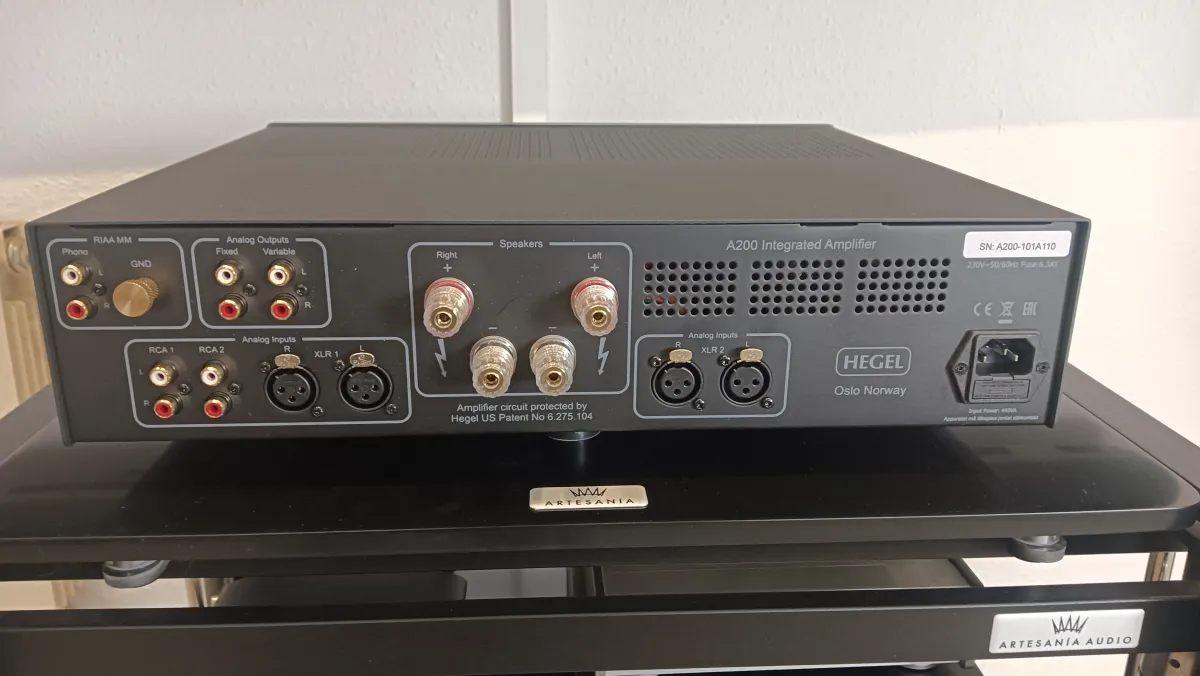
And that’s it. No manuals or anything. Just plug in the four necessary cables and enjoy the music right away. Every now and then, I need moments like these to feel good about myself and enjoy the pleasure of music without any hassles.
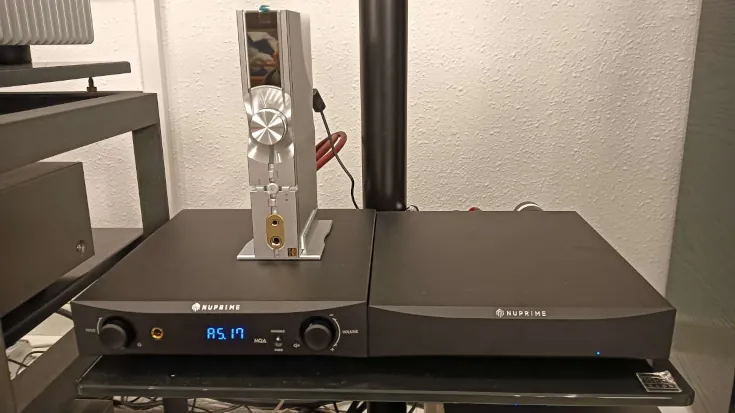
Those first moments of listening were very telling of what was to come. I didn’t like how the music sounded coming out of my speakers, and at the same time, I wasn’t the least bit concerned. I was using the NuPrime 9X DAC as the sound source. The music sounded very muted and lacked the dynamism I needed for those first test tracks. However, the tonal coherence was absolute and linear; that’s why I wasn’t worried at all.
Tuning the System to the Limit
To help prevent mistakes by beginners who might be reading this, everything described here applies to the combination of the Hegel A200 and the Diapason Adamantes V. The coherence between the speakers and the amplification must always be as high as possible. And this inseparable pair must be adapted to the other key element: the listening room and its acoustics. These two main elements must always work together as an inseparable whole. The sound source, while its highest quality is essential, exists in isolation from these components, though it is affected by them.
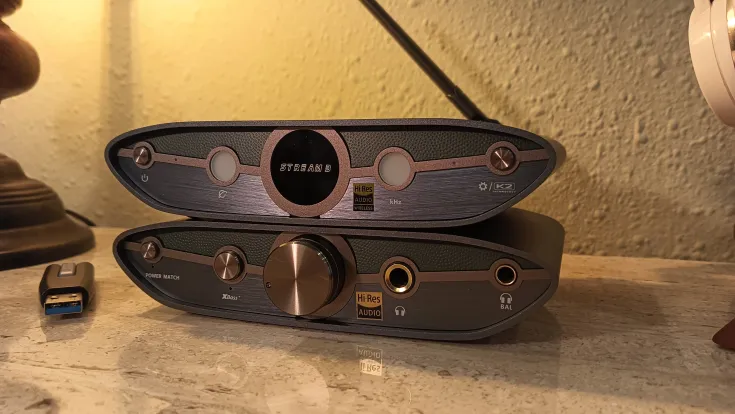
Next, I’ll move on to the iFi Audio combo, consisting of the iFi Stream and the iFi Zen DAC 3. I included the iFi Stream because I use its Roon Ready feature to connect two DACs simultaneously to my Roon Nucleus One server. The iFi Audio devices are connected to each other and to the TEAC via a USB cable.
With the Zen DAC 3, we achieved a general brightening of the sound, adding a brilliance that was absent in the NuPrime and allowing us to enjoy the music more overall. As I’ve evolved through the decades of music, I realized that perhaps I wasn’t quite in tune with that prodigious decade of music—the ’80s. I was eager to return to my wild disco days, when I ran the DJ booth at a major local nightclub—I was a DJ.
I have two TEAC DACs at home. The older one is the TEAC UD-H01, and the newer one—though it’s been around for many years now—is the TEAC UD-301. I’ll stick with the newer one and set it up, smiling the whole time like a mischievous child. It’s that feeling of knowing you’ve found the perfect piece of the puzzle before you even put it in place, but you just know it’s the one. I’ll elaborate on these points later.
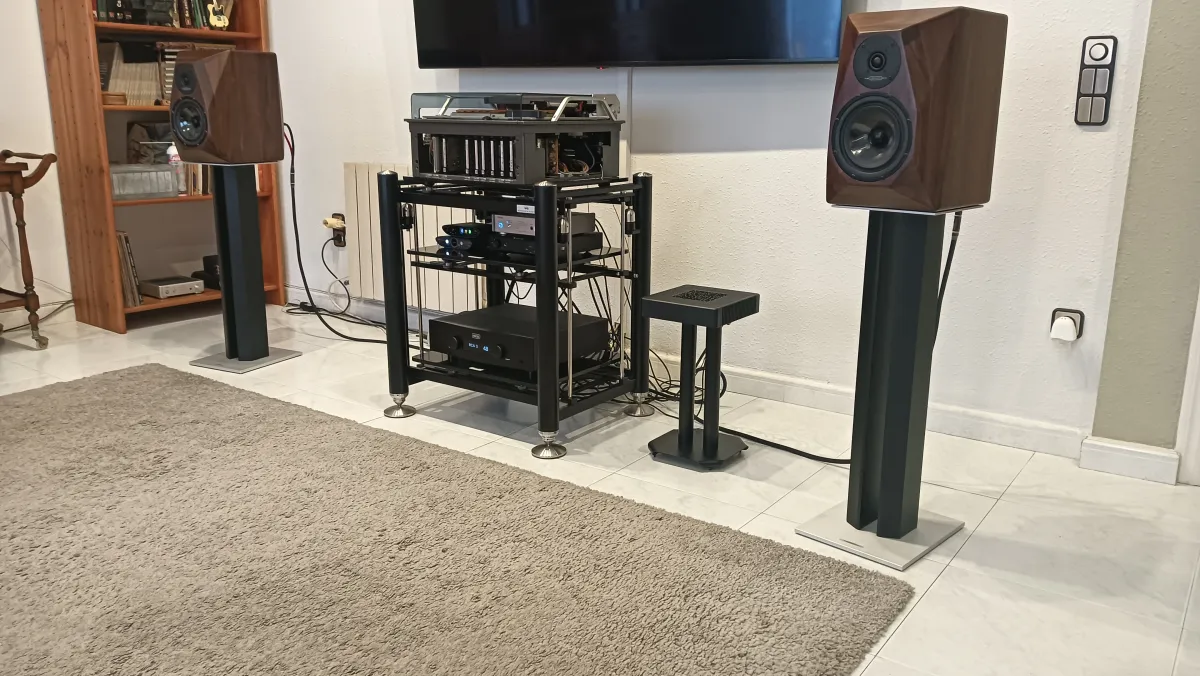
Equipment used in testing
Audio source:
» Qobuz Studio
» iFi Audio Stream 3
» iFi Audio Zen DAC v3
» NuPrime DAC 9X
» TEAC UD-301
» Roon One
Power Amplifiers:
» Hegel A200
Headphone Amplifiers:
» Little Dot MKIV
Speakers:
» Diapason Adamantes V mod. 2025
Headphones:
» AKG 701
Cables:
» Wires4Music cabling :
» Horus Hybrid RCA interconnect
» Evolution speaker and power cables
Hi-Fi Rack:
» Artesanía Audio Exoteryc Rack PRO
Little Anecdote
Due to a shipping error, I didn’t receive the correct remote control, so I had to conduct all my listening sessions the old-fashioned way: changing records, adjusting the volume, switching the output source, etc. I ended up using two DACs and the EMT, so I was constantly switching back and forth. What initially seemed like an inconvenience turned into a more immersive journey back in time, and I thoroughly enjoyed the experience. Buyers of this product can perform part of this ritual using the remote control included with each unit. This was a mistake on Matrix’s part.
Alan Parsons Project
A musical genius who has enriched our lives over the years, from his work with The Beatles to his legendary band. He received the honors he deserves at one of the most recent High-End Munich shows. I own a good portion of his discography on vinyl and, via Qobuz, the entire collection in streaming format. The comparisons were constant, and so were the differences.
I Robot on vinyl was the sound I remembered from my youth. Exactly as it was. Vinyl, beyond simply reproducing the music, generates a sonic vibration in the room that makes its acoustic signature recognizable. I’m not talking about artifacts: clicks, pops, and other additions. It’s ambient sound. I’m deeply convinced that if I were to listen to a blank vinyl record, I’d be able to detect it. This ambient sound on vinyl—and its absence in the digital world—has sparked a controversy that continues to this day; yet, at this point, it’s wonderful that the accurate sound reproduction delivered by the Hegel A200 allows us to continue discussing these matters among ourselves.
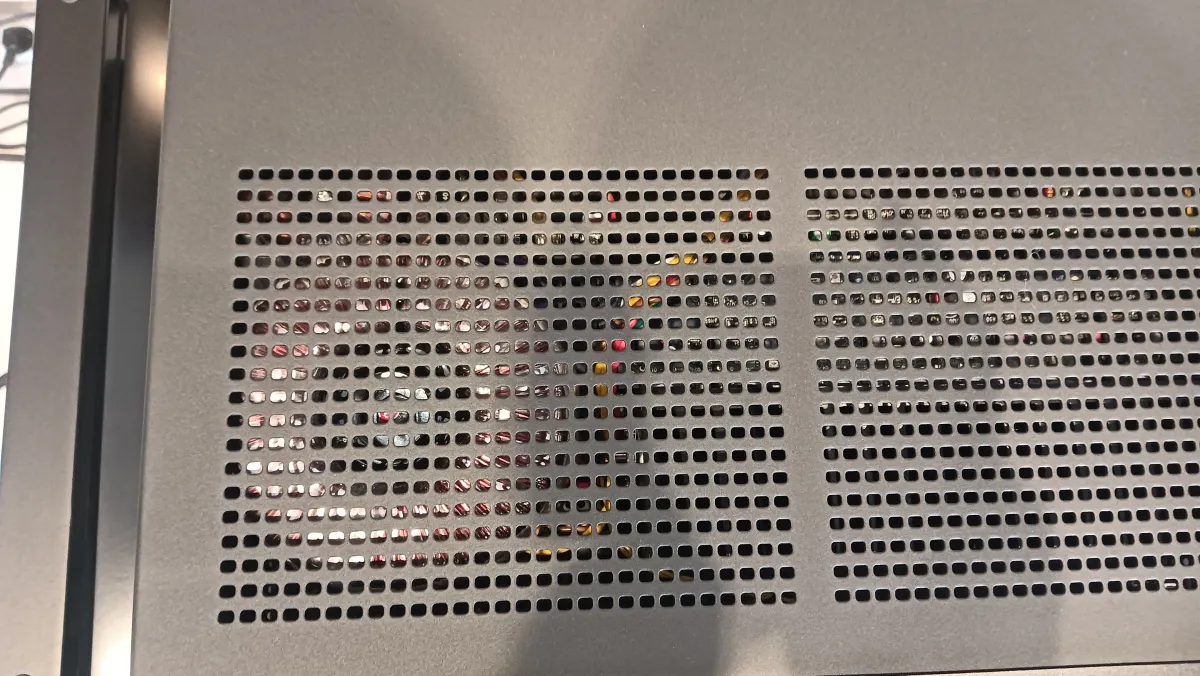
When an integrated amplifier chooses to be neutral, without filters, we can discuss qualities and sounds. When an integrated amplifier chooses to drive speakers as it pleases, the speakers reveal their full potential. Here are a few gems.
Sound Gems
Tales of Mystery and Imagination: Right from the start of the album, the track “The Raven” treats us to deep, dry drums that we couldn’t hear when it was first released. Speakers from that era had a slightly looser component in their cones and couldn’t quite define those forceful, dry sounds; they always resulted in broader, more expansive beats—which was what the technology of the time allowed for most audiophiles. To achieve this today, we need absolute control over the intensity of the signal sent and its immediate cutoff. It’s easy to say, but it’s up to the engineers to do it—because it must be incredibly complicated. Hegel has developed a whole series of concepts to define its technology and make this possible. As an audiophile, I’ll stick with the result; let the technicians enjoy their graphs, and I’ll enjoy the sound. By the way, on this very track, “The Raven,” a vocoder is used.
During the digital listening session, Roon suggested I follow up with Jethro Tull’s Aqualung and Mother Goose. For those of you unfamiliar with how this server works: once it has finished playing the selected music, if you don’t give any additional commands, it suggests three or four extra tracks in the same musical style. For a few seconds, there’s silence, and out of that pure silence emerges Ian Anderson’s transverse flute—his breaths, his humming, his personality—all present in the room. You forget that you’re evaluating a music system and let yourself be carried away by pure joy.
Remastered X
And when I started playing modern tracks or remastered versions of older songs, things changed automatically. My TEAC UD-301 setup no longer performed the same way, and I had to switch to the iFi Audio setup to achieve the excellence I was seeking. It’s not surprising; every era has worked with its own technology, and that technology is the right one for experiencing the sensations of that time. iFi is a product of our time; the engineers work with similar or identical products and, therefore, are true representatives of the moment.
Final Conclusions
The Hegel A200 can accompany you throughout your life without any problems. It is impervious to changing trends or sources; its analog inputs will still be valid 40 years from now. Solidly built and with no components that show any signs of fragility, its durability seems guaranteed.
The amplifier’s consistent sound linearity, combined with seemingly unlimited power reserves, does not give the impression of a product that struggles or is pushed to its limits—quite the opposite.
It has a understated presence in the listening room; it doesn’t stand out visually, maintaining a neutral appearance. It features a hidden power button and two large, easy-to-use knobs for selecting sources and adjusting volume. And a display that lets you clearly see the volume level, even if you’re completely bald.
The show is the music, not the amplifier; they understand this clearly, and that’s how they build it.
| Manufacturer’s Website | Hegel |
| Distributor Website (Spain) | Gedelson |
| Price | Contact Us |
| Technical Data Sheet | |
| User Manual |


More review
-
Konus Audio Integrale 2000, the magic box

Both the speakers and the integrated one have been designed to work at full speed.
-
Legacy Audio Signature, the tenor of hell

The motorcyclist in the black jacket, with badges, chains, long beard and dark glasses has the...
-